September 11, 2026
Trees play a pivotal role in landscape architecture, adding both vertical and horizontal interest to outdoor spaces. They can transform a flat landscape into one with depth and dimension by providing points of visual focus. Strategically placed trees enhance the symmetry or asymmetry of a design, lending a sense of balance and harmony. Beyond structural aspects, trees contribute varying shades of green and other colors that complement surrounding plants and architecture. Incorporating professional tree services ensures that young plantings are pruned correctly, helping homeowners achieve a cohesive, aesthetically pleasing environment that attracts potential property buyers.
Selecting Complementary Species
When designing a landscape, selecting the right tree species is crucial for maintaining congruence with existing architecture. Specific trees, such as oaks and maples, offer a stately appearance that blends effectively alongside modern or traditional home styles. Other species, like dogwoods, create beautiful backdrops that align seamlessly with garden landscapes. Landscape designers often leverage a variety of tree sizes and forms to create a visual hierarchy within the garden. Utilizing experienced tree services helps property owners choose and care for species that fulfill their specific aesthetic vision while remaining healthy for decades.
Enhancing Natural Canopies
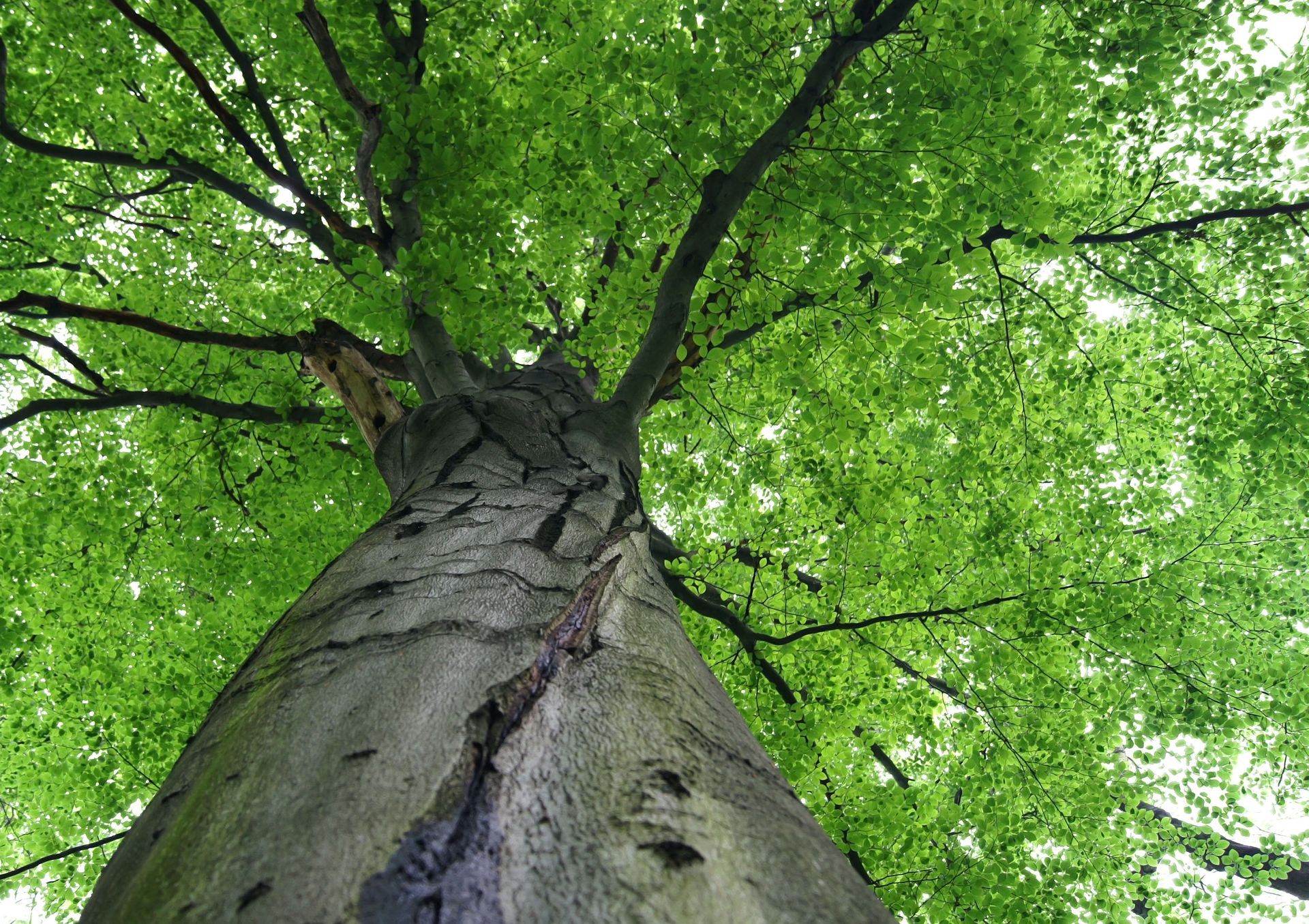
The natural canopy created by healthy trees serves as a dramatic enhancement to any landscape, offering shaded areas for retreat and relaxation. The dynamic movement of leaves across different tree species introduces a sense of liveliness to yards and gardens. Trees also act as natural barriers, lending privacy without the harshness of manmade fences. Their organic forms break the monotony of rigid building lines, creating a gentle transition from constructed elements to natural scenery. Engaging specialized tree services guarantees that heavy canopies remain properly thinned and structurally sound, elevating overall curb appeal.
Displaying Seasonal Diversity
One of the most captivating aspects of trees is their ability to provide visual interest throughout the year, with each season offering its own unique charm. In spring, vibrant green leaves and burgeoning foliage mark the landscape with renewal. Summer brings lush canopies that offer a refreshing escape from the heat, while autumn delivers an array of fiery reds and golden yellows. Even in winter, deciduous trees boast enchanting silhouettes while evergreens retain their vivid color. Investing in routine tree services keeps these seasonal specimens free of disease, ensuring vibrant foliage transitions year-round.
Cultivating Backyard Biodiversity
The variety of available tree species allows for an incredible range of textures, colors, and forms that bring diversity to any yard or garden. This diversity not only reflects aesthetic appeal but enhances local biodiversity by supporting various types of wildlife. Homeowners have the option to choose from a multitude of species, each contributing to a richer and more resilient environment. Selecting a mix of species creates a landscape that is visually stimulating, sustainable, and continuously appealing to prospective buyers across different times of the year.
Highlighting Seasonal Shifts
With appropriate planning, trees can highlight seasonal events and moods, adding an extra layer of meaning to property design. Flowering trees signal the arrival of spring, while fruit-bearing trees emphasize abundance in late summer and fall. The sight of snow-covered branches in winter offers a quiet, peaceful atmosphere for those seeking solace during colder months. Each season provides an opportunity to explore different aspects of a landscape, inviting residents to engage with an evolving natural canvas. Trees thus remain permanent, ever-changing fixtures in high-value property design.
Anchoring Visual Points
Trees are natural focal points within a landscape, capturing attention and directing the eye in thoughtful ways. When strategically placed, a mature tree serves as the centerpiece of a yard, providing scale and grandeur. For smaller spaces, a single strategically placed tree draws the eye and creates an anchor for the entire garden. Trees aligned along pathways create intentional points for reflection and social gathering.
Defining Outdoor Spaces
Beyond visual focus, trees functionally organize outdoor spaces, creating distinct natural rooms that serve different purposes. By using trees to line edges or define borders, property owners separate private areas from public spaces subtly and naturally. Group planting strategies create sheltered nooks that offer refuge from sun or wind, while complementary understory plantings emphasize these focal areas. As natural gateways, arboreal focal points efficiently guide movement through a property, adding both structural form and functional utility to the surrounding landscape architecture.
Showcasing Architectural Complexity
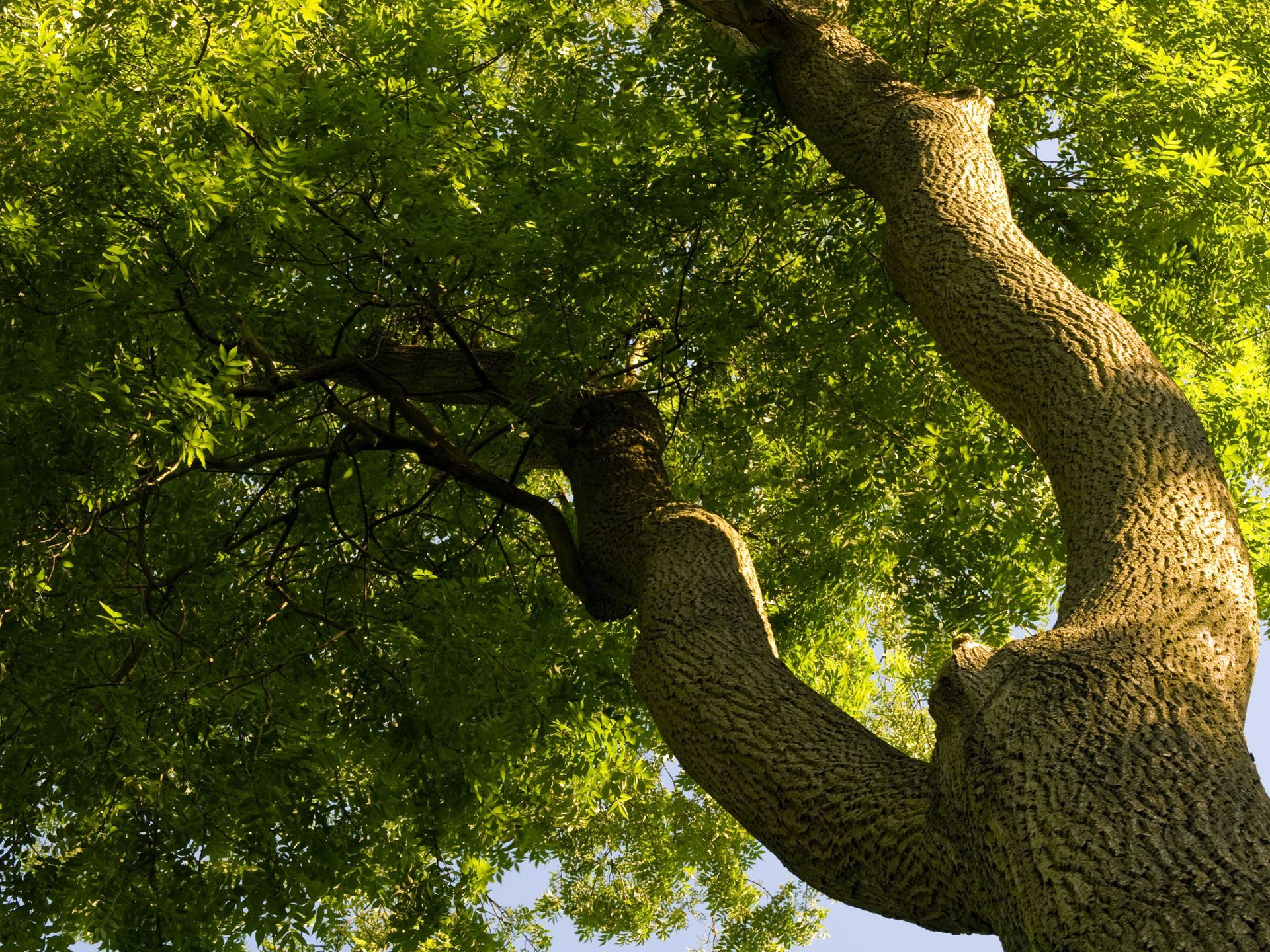
The presence of a dramatic tree or specialized arrangement naturally elevates design complexity, showcasing thoughtful planning and execution. The bark texture, unique silhouettes, and dramatic limb spreads of mature trees add immense visual interest. Incorporating landscape lighting fixtures extends the beauty of these focal points into the night, enchanting visitors and residents alike. Enlisting professional tree services to shape and clear deadwood reveals these striking structural features, demonstrating the power of healthy trees to elevate even the simplest landscape into a living work of art.
Enriching Textural Variety
Trees provide a variety of colors and textures that contribute to more dynamic and visually appealing outdoor spaces. The wide range of leaf types, from the broad leaves of maples to the fine needles of pines, adds textural variety. As leaves change through the seasons, they offer evolving displays that bring depth and character to the landscape. Partnering with certified tree services prevents pest infestations from ruining foliage, preserving the rich tapestry of leaves, bark, and branches that enrich your property's overall outdoor aesthetic.
Improving Building Performance
Beyond visual aesthetics, trees serve as functional elements that improve building performance and environmental comfort simultaneously. Properly placed trees provide shade that reduces glare and protects building exteriors from harsh weathering effects. According to The Nature Conservancy, a single tree offers enough shade to act as a natural air conditioner, lowering the electricity expenses required to run artificial cooling units. Integrating trees alongside architectural designs promotes long-term sustainability while keeping indoor environments comfortable.
Capturing Atmospheric Carbon
Trees play an indispensable role in carbon sequestration, capturing carbon dioxide from the atmosphere and storing it safely within their biomass. During photosynthesis, trees convert carbon dioxide into oxygen while storing carbon in their trunks, branches, and roots. Promoting tree health contributes significantly to carbon offsetting, which is especially vital in urban environments with higher emissions. Utilizing expert tree services to maintain canopy health ensures maximum carbon capture performance, enhancing a property's eco-friendly credentials in sustainable real estate markets.
Lowering Indirect Emissions
Beyond direct carbon storage, trees contribute to reducing indirect emissions by lowering artificial cooling demands in adjacent buildings. The expansive shade provided by healthy trees minimizes reliance on mechanical air conditioning systems, curbing the power generation emissions associated with fossil fuels. Renewable energy solutions paired with well-maintained landscapes amplify this effect, creating energy-efficient properties. Understanding and leveraging the environmental potential of healthy trees allows communities to build sustainable futures right from their own front yards.
Regulating Local Temperatures
Trees contribute significantly to temperature regulation by providing shade and releasing moisture into the air, creating cooler microclimates across residential neighborhoods. A dense canopy intercepts sunlight before it strikes roofs or pavement, preventing excessive heat absorption. This natural shading decreases the urban heat island effect, resulting in cooler ambient temperatures during hot summer months. Strategic tree placement around homes curtails indoor heat gain, lowering utility bills and improving overall living comfort.
Proper tree care is essential for maximizing curb appeal, protecting home equity, and fostering a healthy local ecosystem. To ensure your property's canopy remains vibrant, safe, and beautifully maintained, schedule a consultation today with Greater Heights Tree And Land Management Inc.